


Just 4% of UK adults eat enough fibre each day, even though it’s one of the most powerful ways to support our hormonal, gut and long-term health.
As a Nutritional Therapist with over 14 years of expertise in women’s health, fibre is one of the nutrients I find myself talking about most in clinic, and yet it remains one of the most underestimated.
Despite growing awareness around gut health, many women are still falling significantly short of the recommended 30g of fibre per day. With so many products on the shelf, knowing where to start isn’t always straightforward. Having researched and recommended fibre supplements extensively throughout my career, I know that the right product can make a genuine difference to how you feel.
In this guide, I’ll walk you through what to look for, what to avoid, and which formulations I believe truly stand out.
Why Fibre Deserves a Place in Your Daily Routine
The science on fibre has moved well beyond digestion. Much of its benefit happens in the colon, where gut bacteria ferment fibre to produce short-chain fatty acids (SCFAs). These compounds help maintain the gut lining, regulate immune responses and support metabolic health, with research linking higher fibre intakes to reduced risk of cardiovascular disease and type 2 diabetes.
Here’s why fibre matters:
- Feeds and diversifies the gut microbiome, the trillions of bacteria, fungi and viruses that influence almost every aspect of our health
- Supports immune function, mood, sleep, energy and hormonal balance
- Promotes healthy digestion and regular bowel movements, supporting the body’s natural detoxification processes
- Helps stabilise blood sugar and supports healthy weight management
- Linked to improved heart health and healthier cholesterol levels
- Key to long-term metabolic health and healthy ageing
And why it matters at every life stage:
PMS When bowel transit is slow, oestrogen can be reabsorbed rather than eliminated, contributing to the hormonal imbalances that drive PMS symptoms. Fibre supports timely excretion while stabilising blood sugar, helping to ease the mood swings, cravings and energy dips common in the luteal phase.
Postpartum Fibre restores digestive rhythm at a time when hormonal shifts and reduced mobility make constipation common. It also feeds the gut bacteria that support serotonin production, around 90% of which originates in the gut, which may play a role in emotional resilience during this demanding transition.
Breastfeeding Prebiotic fibres nourish the maternal microbiome, which research suggests influences breast milk composition and the early development of an infant’s own microbiome, with potential benefits for their long-term immune and metabolic health.
Perimenopause & Menopause Soluble fibre binds bile acids in the gut, encouraging the body to draw on circulating LDL cholesterol and supporting healthier levels over time. It also slows carbohydrate absorption, smoothing the blood sugar spikes and energy crashes that can become more pronounced as oestrogen declines.
What to Look For in a High-Quality Fibre Supplement

Not all fibre supplements are created equal, and the difference between a good one and a great one comes down to a few key considerations:
Versatility and ease of use The best supplement is the one you actually take. A powder that can be stirred into water, blended into a smoothie or mixed into food removes a barrier to consistency. Taste matters too here to ensure regular compliance.
Source and diversity The origin of the fibre matters. Look for products that draw from a broad range of fruits, vegetables, wholegrains and prebiotic-rich plants rather than relying on a single source. Diversity is key, different fibres feed different bacterial species, and a varied fibre intake is one of the most well-supported ways to build a resilient microbiome.
Suitability for sensitive digestive systems If you have digestive sensitivities to wheat, lactose, gluten or fermentable sugars, this is non-negotiable. Many fibre supplements contain ingredients that can aggravate rather than support a sensitive gut. Look for products free from common allergens and, where possible, formulated with ingredients suitable for a low FODMAP diet. This is particularly relevant for anyone managing IBS or digestive discomfort alongside trying to improve their fibre intake.
Amount of fibre per serving This varies more than you might expect, from under 1g to 9g per serving. If your diet is already reasonably fibre-rich, a lower dose may complement it well, but if you’re significantly under the recommended 30g daily intake, a more generous serving size will make a meaningful difference.
Quality of ingredients Where your fibre comes from at source matters as much as what’s on the label. High-quality, traceable ingredients from trusted suppliers are a marker of a brand that takes formulation seriously. Science-backed ingredients with transparent sourcing are always a good sign.
What to Avoid in Fibre Supplements
Just as important as what a fibre supplement contains is what it doesn’t. Here’s what to be mindful of when choosing:
Poor life stage suitability Not every fibre supplement is formulated with your specific needs in mind. It’s always worth checking suitability, particularly if pregnant, breastfeeding or looking to use in younger children.
Harsh, fast-fermenting fibres Not all fibres behave the same way in the gut. Ingredients like inulin and FOS (fructooligosaccharides) are widely used, and not without benefit, but they ferment quickly, which for some people can contribute to bloating, gas and digestive discomfort. If you have a sensitive gut, a supplement with a gentler, slower fermentation profile may be better tolerated.
Additives, sweeteners and preservatives A quality fibre supplement should have a clean, recognisable ingredient list. Added sugars, artificial sweeteners and unnecessary synthetic additives all have the potential to work against the gut health benefits you’re looking for, so the simpler the better.
No third-party testing Independent testing gives you confidence that what’s on the label is what’s in the product, a simple but meaningful indicator of a brand’s commitment to quality and transparency.
How We Evaluated These Supplements
Our comprehensive assessment methodology included:
- Form Analysis: Evaluating the bioavailability of the Fibre forms used
- Ingredient Quality: Assessing purity, sourcing, and additional compounds
- Formulation: Examining the presence of fillers and additives
- Clinical Research: Reviewing any scientific studies supporting efficacy
- Manufacturing Standards: Considering production practices and quality controls
- Customer Feedback: Analysing user reviews and reported results
- Value: Looking at the value of the supplement based on its attributes, format and the benefits it provides
The Best Fibre Supplements for Women
After a thorough review, here is our comprehensive list of best Fibre supplements based on quality, bioavailability, scientific studies, formulation, and overall value.
1. Wild Nutrition High Fibre Plus
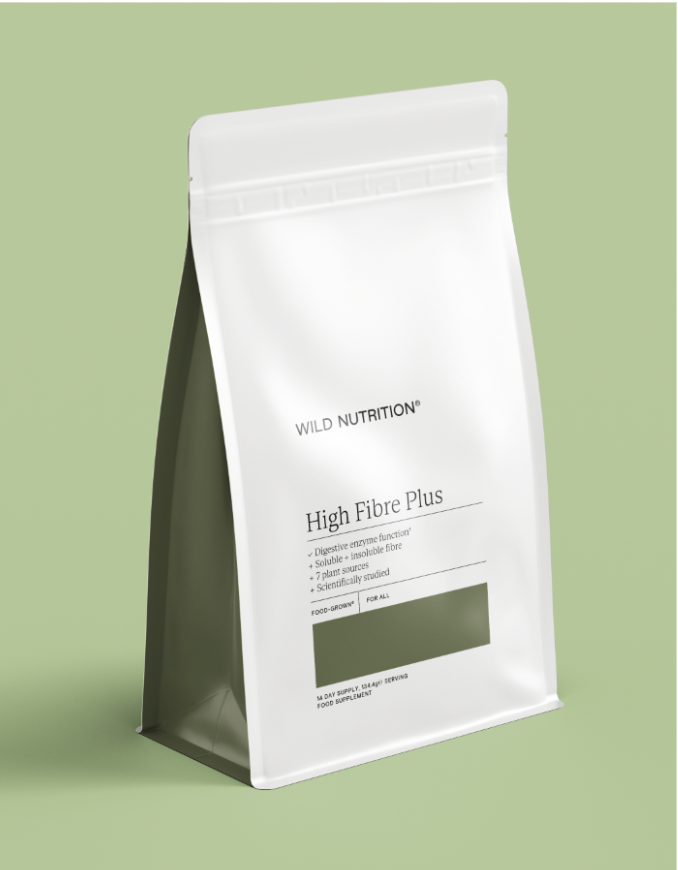
From £13.89
Why We Love This Product:
Blending science and ayurvedic principles, Fibre Plus stands out amongst its competitors as the only formula with fibre bound to polyphenols to provide the ultimate in gut support. Featuring 3 science-backed ingredients that have been featured in 62 studies, Fibre Plus delivers polyphenol-rich soluble and insoluble fibre.
From apples, carrots, blueberries, cranberries and spinach, alongside soothing ginger, seaweed-derived calcium plus prebiotic PHGG (partially hydrolysed guar gum), a scientifically studied fibre shown to support regular bowel movements and digestive comfort, including in people with sensitive digestion. This is a one-stop high fibre supplement and digestive support delivered in a 3 teaspoon serving that can be added to any meal or smoothie.
Reasons to buy:
- 7-in-1 blend + calcium (from seaweed) – provides fibre from multiple plant sources
- Slow fermenting fibre sources – No inulin or FOS/GOS
- 90 unique polyphenols present
- Digestive enzyme support to aid digestion
- Contains both soluble and insoluble fibre
- Multiple ingredients are Scientifically studied
- Low Fodmap
- Suitable for pregnancy and breastfeeding women, as well as children, so can be integrated into the whole family
- High fibre content – 6g per serving
- Versatile powder form and pleasant fruit based taste, which is easy to mix in to drinks or add to food
- Sustainably sourced – upcycled fruits and vegetables, organic ginger, sustainably harvested calcium from seaweed
- Third party tested ingredients (for heavy metals, contaminants, purity, GMOs) B corp
Wild Nutrition offer a 50% discount for your first 3 months subscription, which is a great way to see if their supplements work for you.
Editor’s note: I’ve seen this go out of stock before, so do check availability
2. ARTAH – Essential Fibre +
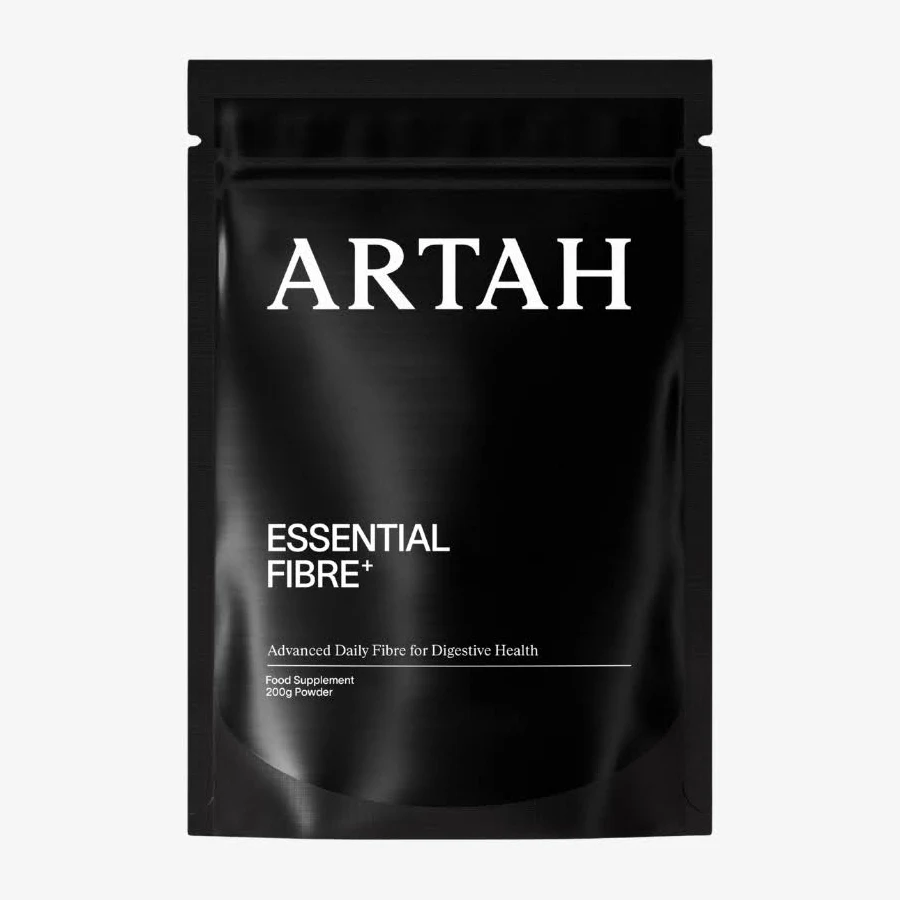
From £45.00
Why We Love This Product:
A blend of 11 plant fibres and gut-supporting botanicals, including PHGG. It also contains pectin, green banana flour and beta-glucans, which act as prebiotic fibres that help feed beneficial gut bacteria. Ginger, chamomile and fennel are included for their traditional use in supporting digestive comfort and reducing bloating. Each serving provides 7g of low FODMAP fibre and contains no artificial sweeteners.
Reasons to buy:
- Supports regularity
- 7g fibre per serving
- 11 different plants
- Low FODMAP
- Clinically researched ingredients
- Feeds friendly gut bacteria
- Easy powder form to add to water or juices
- Third party tested
- Made without artificial sweeteners, flavourings or fillers
Considerations:
- May not be suitable in pregnancy & breastfeeding – not stated if this can be used for children
- Higher price point
3. Myota Gut Health
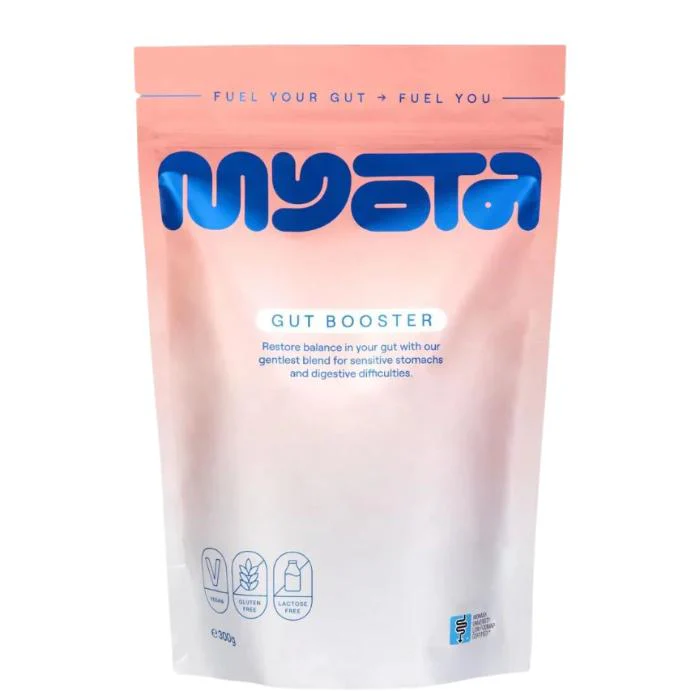
From £50.00
Why We Love This Product:
Myota’s Gut Health Fibre Blend is a clinically proven, low FODMAP certified powder formulated specifically for those with sensitive digestion. Developed over a decade at MIT by doctors, it combines five prebiotic fibres, PHGG, gluten-free wheat fibre, oat fibre, guar gum and cellulose, to support regularity, reduce bloating and nourish the gut microbiome. Each 10g scoop delivers 9.8g of fibre, contributing 35% of your recommended daily intake.
Reasons to buy:
- 5 plant based fibres and zinc
- Low FODMAP certified
- Vegan
- High fibre dose – 9.8g of fibre per serving
- Non GMO
- Preservative free
- Unflavoured and highly versatile, it can be stirred into water, smoothies or food.
- Suitable for all in the family and in pregnancy and breastfeeding
Considerations:
- Because it is a high dose of fibre, it’s recommended to start with a half dose and build up to get used to it
- High price point
- No mention of Third Party testing
4. Jerms Daily Gut Superfood Powder
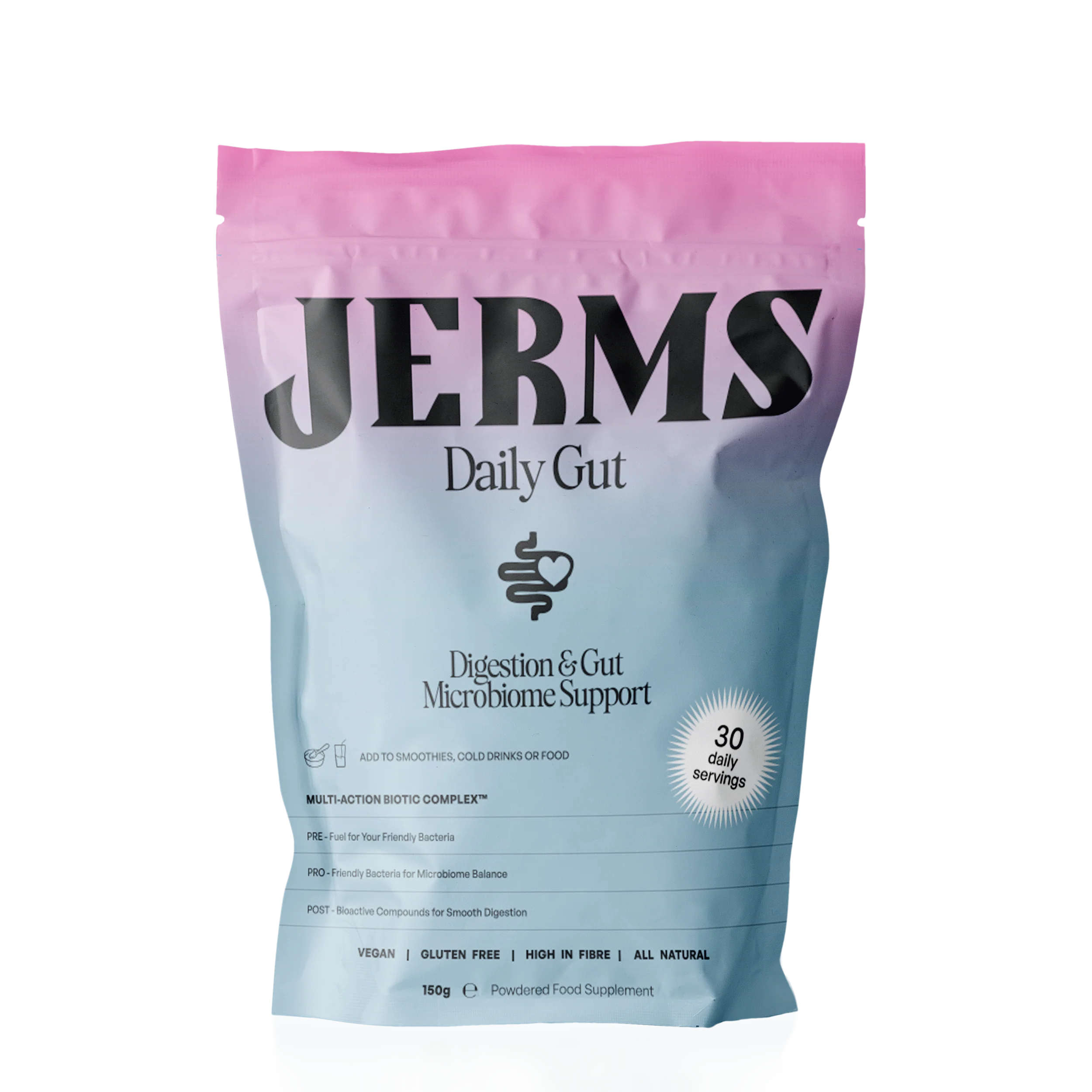
From £32.99
Why We Love This Product:
JERMS Daily Gut takes a broader approach than most fibre supplements on this list, positioning itself as an all-in-one gut reset rather than a standalone fibre product. A blend of pre, pro and post-biotics, digestive enzymes and “superfoods”. It also includes metabolic support from Feiolix®, a clinically studied natural ingredient that stimulates GLP-1, the gut hormone that helps regulate appetite and reduce cravings.
Reasons to buy:
- Broad spectrum of nutrients to support overall digestive health
- Clinically studied ingredients
- Versatile – you can add it to your favourite drink or sprinkle into food
- 10 billion CFU of probiotics
- Prebiotic fibre blend from baobab, flaxseed, and globe artichoke
- No fillers, artificial sweeteners or added sugars
- Gluten, dairy and soy free
- FODMAP friendly
Considerations:
- Only 1.2g of fibre per 5g serving, which is much lower than other options.
- Not suitable in pregnancy and breastfeeding
5 . Holland & Barrett Superfood Blend “with benefits”
From £20.00
Why We Love This Product:
Holland & Barrett’s Energy Superfood Blend takes a food-first approach to energy support, combining greens, pineapple, ginseng and cordyceps with EnXtra™, a scientifically studied extract derived from Alpinia galanga, a plant from the ginger family. Iron, niacin and vitamin B5 contribute to normal energy-yielding metabolism and the reduction of tiredness and fatigue, while caffeine content is kept low, making it a gentler option for those sensitive to stimulants.
Reasons to buy:
- 2.5 billion friendly probiotic bacteria per serving
- Pineapple, papaya and kiwi fruit from Actazin™ and Livaux™, derived from green and gold kiwi
- Scientifically studied EnXtra™
- Prebiotic support from chicory inulin alongside fruit, friendly bacteria and calcium
- Includes a greens blend, spirulina, wheatgrass, chlorella and kale
- Accessible price point
Considerations:
- Low fibre dose at only 0.7g per serving
- Not FODMAP friendly
- Contains inulin, which can ferment quickly and cause increased bloating in some
- No information on third-party testing
- Mix of plant-based and synthetic nutrients
- Not suitable during pregnancy, breastfeeding, or for those with type 2 diabetes or cardiovascular disease
6. Rheal Gut Feel

From £25.00
Why We Love This Product:
Rheal’s Gut Feel is a clean, organic superfood powder combining six thoughtfully selected ingredients to support bowel function, digestive comfort and a balanced gut microbiome. Actazin® kiwi is included at the clinically studied 600mg dose, alongside Aquamin® marine calcium, wild-harvested baobab, apple, ginger and barley grass. Every batch is third-party tested and the brand holds B Corp certification, a mark of genuine commitment to quality and transparency.
Reasons to buy:
- 6 nutrients in one daily scoop
- Scientifically studied Actazin® and Aquamin® marine calcium
- Third-party tested for purity and quality
- Organic ingredients
- B Corp certified
- Versatile, add to water, juice or a smoothie
Considerations:
- Lower fibre content per serving
- Doesn’t state if this product is safe in pregnancy, breastfeeding or for children.
2026’s Top Fibre Supplement
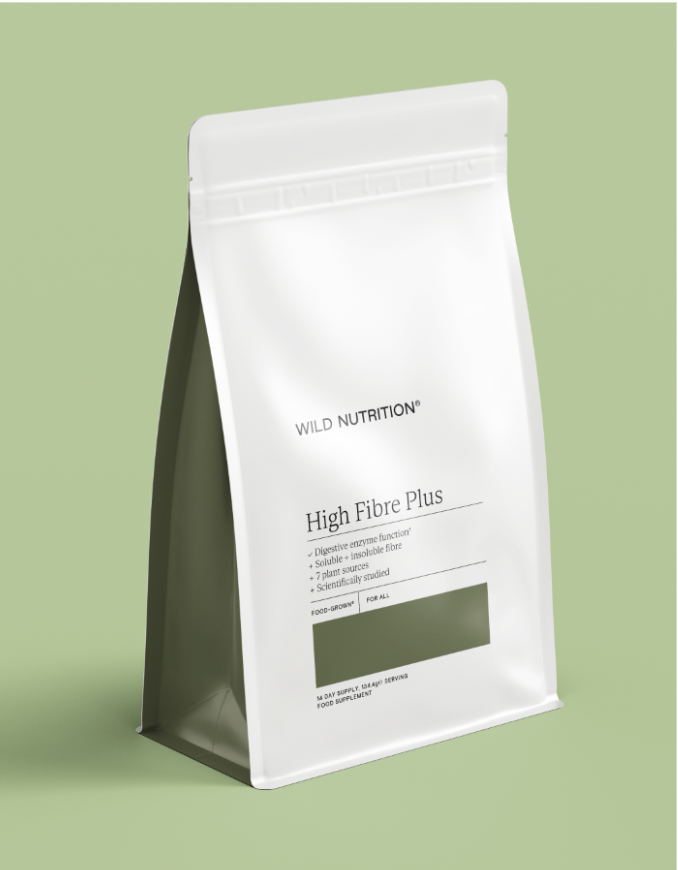
High Fibre Plus
Overall, we highly recommend Wild Nutrition based on a comprehensive review, real experiences and their customer feedback.
- Digestive enzyme function and overall digestive health
- Soluble + insoluble fibres
- 7 plant sources and a seaweed
- Rigorously studied ingredients plus 3 science backed ingredients with over 62 studies
- Versatile to use and can be added to any cold or hot dish or smoothies.Only formula with fibre bound to polyphenols
- Suitable for the whole family and during pregnancy and breastfeeding.
- Blending science and ayurvedic principles
Always consult with your healthcare provider before beginning any new supplement, especially if you have existing health conditions or are taking medications.
References
- Alemu, B.K., Azeze, G.G., Wu, L., Lau, S.L., Wang, C.C. and Wang, Y. (2023) ‘Effects of maternal probiotic supplementation on breast milk microbiome and infant gut microbiome and health: a systematic review and meta-analysis of randomized controlled trials’, American Journal of Obstetrics & Gynecology MFM, 5(11), p. 101148. doi:10.1016/j.ajogmf.2023.101148
- Catassi, G., Aloi, M., Giorgio, V., Gasbarrini, A., Cammarota, G. and Ianiro, G. (2024) ‘The role of diet and nutritional interventions for the infant gut microbiome’, Nutrients, 16(3), p. 400. doi:10.3390/nu16030400
- Dinleyici, M., Barbieur, J., Dinleyici, E.C. and Vandenplas, Y. (2023) ‘Functional effects of human milk oligosaccharides (HMOs)’, Gut Microbes, 15(1), p. 2186115. doi:10.1080/19490976.2023.2186115
- Martín-Peláez, S., Martín-delosReyes, L.M. and Cano-Ibáñez, N. (2026) ‘Prebiotics, probiotics, and synbiotics and maternal mental health during pregnancy and postpartum period: a systematic review’, Frontiers in Nutrition, 13, p. 1776398. doi:10.3389/fnut.2026.1776398
- Liaquat, M., Minihane, A.M., Vauzour, D. and Pontifex, M.G. (2025) ‘The gut microbiota in menopause: Is there a role for prebiotic and probiotic solutions?’, Post Reproductive Health, 31(2), pp. 105–114. doi:10.1177/20533691251340491