


In my 14 years as a Nutritional Therapist, pregnant women have told me time and again that they feel “depleted.” Despite taking prenatal vitamins, they are often still struggling with poor sleep, restless legs, and a level of fatigue that rest doesn’t seem to touch. One mineral that can make a big difference to these symptoms is magnesium.
Magnesium plays a key role in pregnancy, supporting sleep, muscle relaxation, energy, and cramp reduction. Let’s explore the benefits, safety, and how to get enough magnesium while pregnant.
Why Is Magnesium Important During Pregnancy?
Pregnancy increases your body’s nutritional demands in ways that aren’t always obvious. Beyond folate and iron, one mineral that often gets overlooked is magnesium.
Yet magnesium is involved in over 300 biochemical reactions in the body [1], supporting:
- Muscle relaxation
- Sleep
- Nervous system regulation
- Blood sugar balance
- Healthy muscle and uterine function
As your body works harder to grow and support a baby, magnesium requirements naturally rise [2].
Common Signs You May Need More Magnesium in Pregnancy

Low magnesium can show up in subtle ways. You might notice:
- Poor sleep
- Muscle tension
- Headaches
- Constipation
- Increased stress or irritability
- Fatigue that doesn’t improve with rest
Many of these symptoms are common in pregnancy which is why a need for more magnesium is often missed [2].
How Can Magnesium Support Pregnancy?
While it’s not a cure-all, adequate magnesium may help support several areas women struggle with.
- Muscle Cramps and Restless Legs Magnesium helps muscles relax after contraction, which may reduce nighttime cramping [3].
- Sleep Quality It supports the nervous system and production of calming neurotransmitters, helping the body wind down more easily [4].
- Stress and Nervous System Balance Magnesium regulates the stress response and may help buffer the effects of elevated cortisol [5].
- Bowel Regularity Magnesium supports healthy bowel movements which can be very helpful if pregnancy constipation is an issue.
Is Magnesium Safe During Pregnancy?
Magnesium from food sources is completely safe and encouraged.
Supplemental magnesium is generally considered safe during pregnancy when taken within recommended amounts, but always check with your midwife or GP before starting anything new. Different forms vary in strength and effect, so professional guidance is helpful [6].
Food Sources of Magnesium
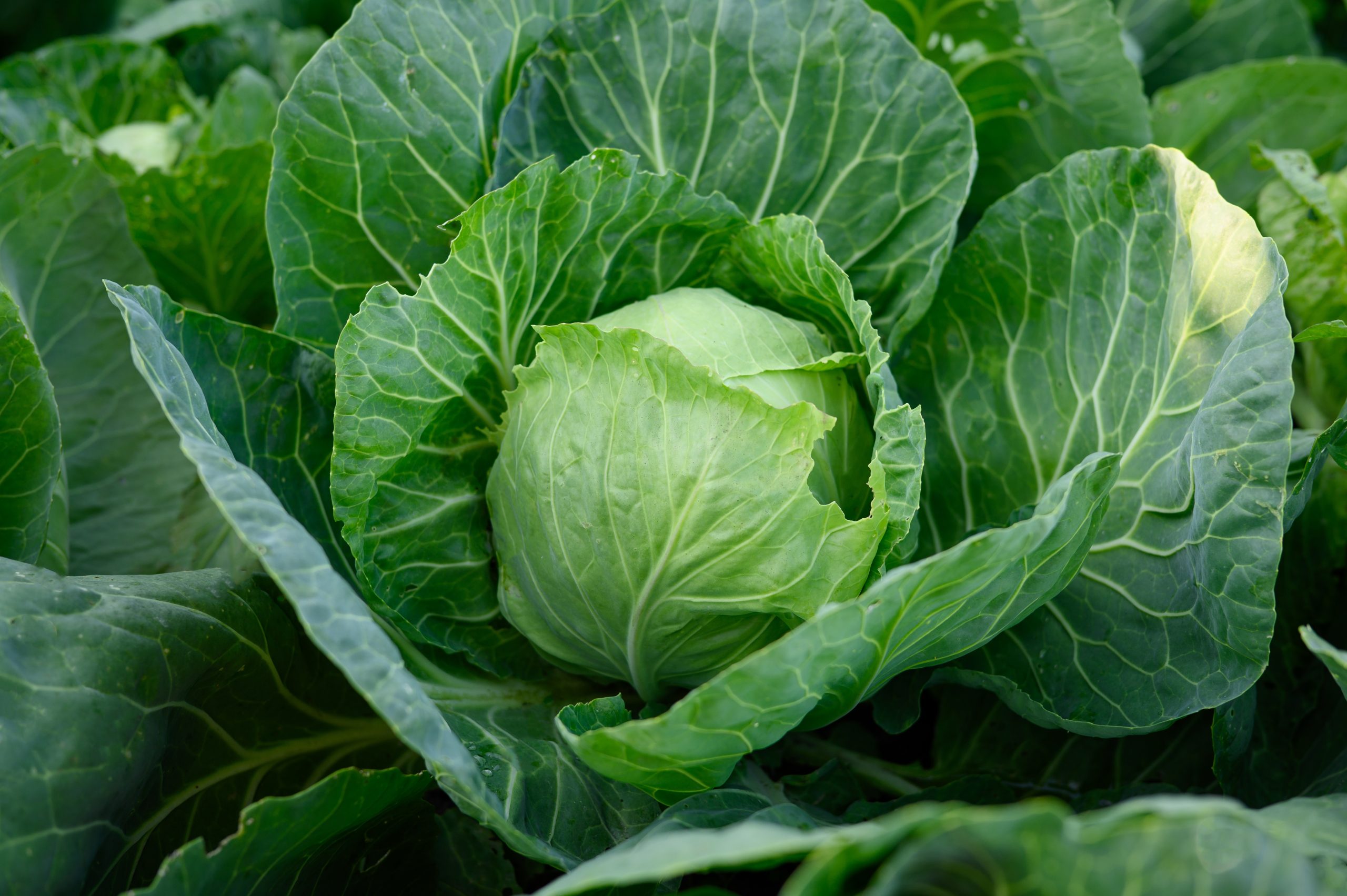
Many women can increase their intake through diet first. Good sources include:
- Leafy greens (spinach, chard)
- Nuts and seeds
- Oats
- Beans and lentils
- Dark chocolate
- Whole grains
- Avocado
Small, regular amounts throughout the day are often easier to absorb.
Why Is Magnesium Important During Pregnancy?
Pregnancy increases your body’s nutritional demands in ways that aren’t always obvious. Beyond folate and iron, one mineral that often gets overlooked is magnesium.
Yet magnesium is involved in over 300 biochemical reactions in the body [1], supporting:
- Muscle relaxation
- Sleep
- Nervous system regulation
- Blood sugar balance
- Healthy muscle and uterine function
As your body works harder to grow and support a baby, magnesium requirements naturally rise [2].
Lorna’s Clinical FAQ
Can magnesium help pregnancy sleep problems?
It may support relaxation and nervous system calm, which can improve sleep quality for some women [4].
Can magnesium stop leg cramps?
Evidence suggests it may reduce frequency and intensity [3].
When should I take magnesium?
Taking it in the evening is often recommended to support nighttime muscle relaxation and sleep
Ready to find the best support?
Pregnancy places extra demands on every system in your body. Magnesium quietly supports muscles, energy, sleep, and stress resilience – all things that matter deeply during this stage.Meeting your needs through food and, where appropriate, supplementation can help you feel steadier and more supported day to day.
As a therapist, I believe transparency is key to making informed choices. For a deep dive into the formulations I trust, you can read my review of the Best Magnesium Supplements for Women. Overall, I highly recommend Wild Nutrition Food-Grown® Magnesium based on a comprehensive review, formulation expertise, real experiences and customer feedback.

- Reduction of tiredness + fatigue
- Psychological function
- Bone, muscle + teeth support
- Nervous system support
- Scientifically studied
References
- [1] Liguori, S. et al. (2024). Role of Magnesium in Skeletal Muscle Health and Neuromuscular Diseases. Int J Mol Sci, 25(20):11220.
- [2] Orlova, S. et al. (2021). Risk factors associated with magnesium deficiency in pregnant women. BMC Pregnancy Childbirth, 21(1):76.
- [3] Supakatisant, C. & Phupong, V. (2015). Oral magnesium for relief in pregnancy-induced leg cramps. Maternal & Child Nutrition, 11(2):139-45.
- [4] Briskey, D. et al. (2024). Magnesium Supplementation Increases Sleep Quality and Duration. Food and Nutrition Sciences, 15: 509-523.
- [5] Noah, L. et al. (2021). Effect of magnesium and B6 supplementation on mental health and quality of life. Stress Health, 37(5):1000-1009.
- [6] Werner, T. et al. (2019). Assessment of bioavailability of Mg from Mg citrate and Mg oxide. Magnes Res, 32(3):63-71.