


Omega-3 is one of the most important nutrients for overall health, yet it’s often overlooked, as a result 76% of the global population still fails to reach recommended intakes, highlighting a significant nutritional gap (Calder et al. 2025).
Modern diets leave many people falling short of these essential fats, which play a key role in supporting heart, brain, joint, and immune health, as well as hormone balance and inflammation regulation. From monthly menstrual cycles to pregnancy, postpartum recovery, perimenopause, and menopause, a woman’s body has unique nutritional demands, making consistent intake particularly important.
The main types of omega-3 include ALA (plant-based) and EPA and DHA (marine-based). Because the body cannot produce these fats efficiently, they must come from diet or supplementation. Current guidance suggests around 250 mg per day of combined EPA and DHA for adults, with an additional 100–200 mg of DHA during pregnancy. While this can be achieved by eating oily fish such as salmon, sardines, and mackerel (around two portions per week), this isn’t always realistic. Many people now limit or avoid fish due to dietary preferences or sustainability concerns. Although plant foods like walnuts, flaxseed, and chia provide ALA, the body converts this into EPA and DHA poorly, making it harder to meet requirements through diet alone.
Who This Guide Helps Most
Omega-3 supports health at every stage of life, from early development through to healthy ageing. It has been linked to benefits ranging from improved pregnancy outcomes and infant brain and eye development, to supporting cardiovascular health, immune balance, cognitive function, and mood. Adequate intake is also associated with a reduced risk of cognitive decline later in life (Calder. et al. 2025)..
Across the life course, needs and benefits continue to evolve:
- In children, omega-3 supports brain development, learning, and visual function (Azhar et al., 2026; Stephenson et al., 2022)
- During adolescence, it continues to be important for mood stability, skin health, and hormonal balance, and evidence shows it can help reduce premenstrual syndrome symptoms and painful periods (Snipe et al., 2024; Behboudi‑Gandevani et al., 2018).
- In adulthood, it contributes to heart health, cognitive performance, immune function and inflammation regulation (Guesdon et al., 2018; Köbe et al., 2019)
- During pregnancy and lactation, DHA is especially important for fetal brain and eye development, maternal wellbeing, and supporting a healthy gestation length, alongside lowering inflammation (Harris et al., 2015; Haghiac et al., 2015)
- Perimenopause & Menopause, omega‑3 plays a valuable role in supporting cardiovascular and metabolic health, maintaining muscle strength and joint mobility, protecting eye health, and supporting cognitive function as the body adapts to hormonal change and ageing (Ellulu et al., 2016).
The Buyer’s Guide to the Best Omega-3s
There are a huge number of omega 3 supplements on the market. Options are predominantly from fish but you’ll also now find vegan omega 3 on the shelves too. So, are they all the same quality? Absolutely not. There are many ways to distinguish quality when it comes to omega 3, whatever the source.

1. Freshness You Can Trust (The Totox Score)
Purity is key when it comes to fish oil and algae oil. One industry standard to look out for is the Totox score. The TOTOX (Total Oxidation) score measures the freshness and quality of Omega-3 fish oil, with a lower score indicating higher quality.
2. Certified & Sustainable Sourcing
Sourcing and supply chain will tell you a lot about the quality of a fish oil. If it’s not declared on their website, always ask a company. Asking what certification an omega 3 carries is important. For example, does it carry Marine Stewardship Council certification? Or Friends of the Sea or MarinTrust? These certifications show a company’s investment in our oceans’ health and ensure full traceability.
3. Stick to Pure Omega-3
Look for a pure omega 3 formula rather than one that includes omega 6 and 9 too. I recommend omega 3 alone as most people already get enough omega 6 and 9 from their diets.
4. The Right Dose & Ratio
Look at the specific levels of EPA and DHA:
- The Ratio: Aim for a minimum of 2:1 (EPA to DHA).
- The Dosage: Look for a total amount between 1,000mg and 3,000mg.
5. Choose the Right Format
Do you want a capsule, a gummy or a liquid? You’ll find a plethora of options on the market but you’ll find more optimal doses in capsules and liquids.
What to Avoid in Omega-3 Supplements

Always check if a fish oil is third-party tested. If it isn’t, avoid it. Third party testing independently is the only way to verify:
- The product actually contains the EPA/DHA levels listed on the label.
- It is free from harmful contaminants and heavy metals
Ask about TOTOX score. The industry-standard maximum is 26, but premium oils often have a score below 10. A higher TOTOX score signifies excessive oxidation, which means the oil is rancid and less effective.
And a final note – if you are taking prescribed medications, omega 3 may not be suitable for you. So, always check with your healthcare provider or a registered nutritional therapist.
How We Evaluated These Supplements
Our comprehensive assessment methodology included:
- Form Analysis: Evaluating the bioavailability of the Omega-3 forms used
- Ingredient Quality: Assessing purity, sourcing, and additional compounds
- Formulation: Examining the presence of fillers and additives
- Clinical Research: Reviewing any scientific studies supporting efficacy
- Manufacturing Standards: Considering production practices and quality controls
- Customer Feedback: Analysing user reviews and reported results
- Value: Looking at the value of the supplement based on its attributes, format and the benefits it provides
Top Omega-3 Supplements of 2026
1. Wild Nutrition Food-Grown® Pure Strength Omega 3
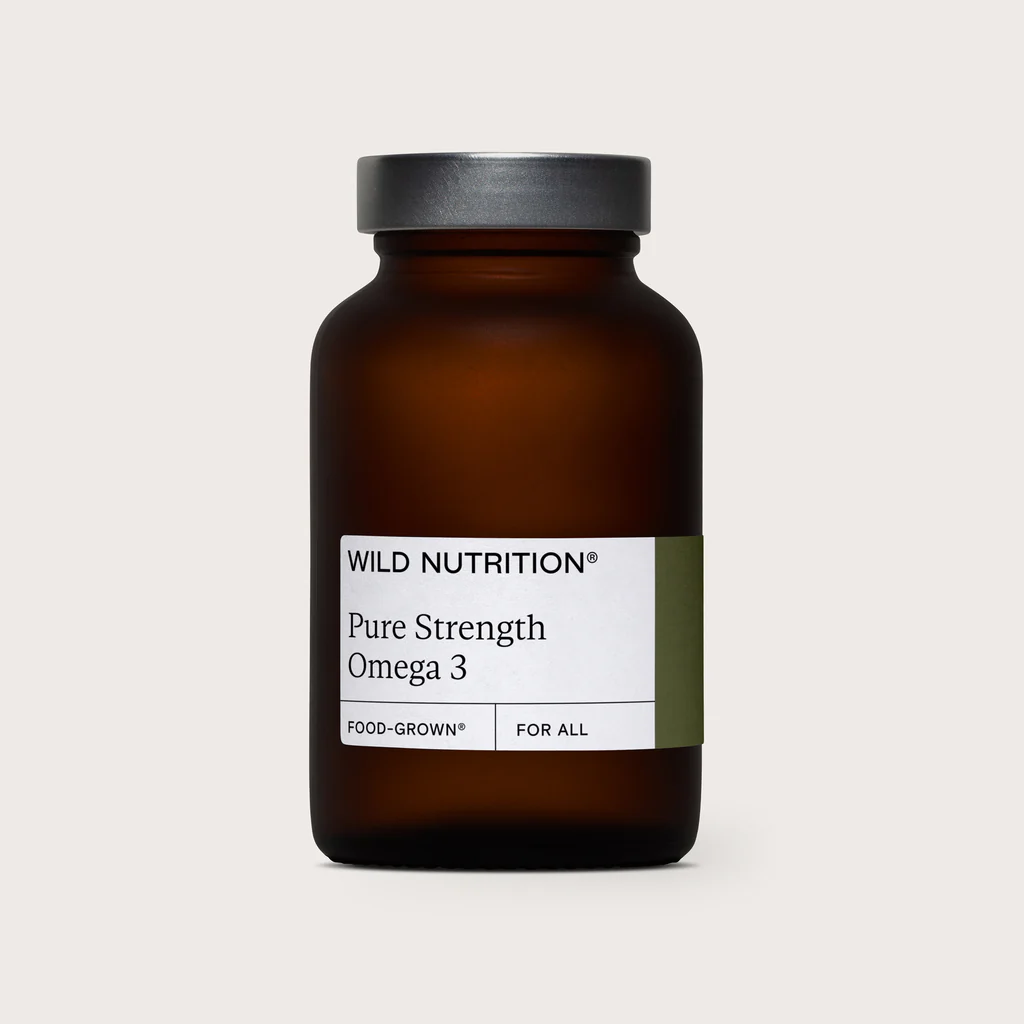
From £19.00
Why We Love This Product:
This is a premium omega-3 of exceptional purity and quality. Pure Strength Omega-3 from Wild Nutrition delivers 1200 mg total omega-3s in the optimal 2:1 ratio of EPA to DHA, the balance most associated with heart, brain and eye health. The oil is carefully sourced and minimally processed to preserve freshness, potency and stability, making it one of the cleanest fish oils currently available.
Reasons to Buy:
- Exceptionally fresh and stable oil – Very low TOTOX values (typically 0–3; maximum 5) indicate minimal oxidation, a key marker of quality and tolerability in omega-3 supplements.
- Gentle, protective processing. Refined under inert gas with minimal heat exposure to preserve fatty acid integrity and prevent rancidity.
- Gold-standard sustainable sourcing. Wild Alaskan pollock from tightly regulated fisheries, with MSC certification ensuring sustainability and full traceability.
- High omega-3 concentration. Up to 85% total omega-3 content, providing meaningful EPA and DHA levels..
- Flexible dosing format. Small gel capsules allow easy adjustment between 2–4 daily depending on individual needs.
- Clean, transparent formulation. No unnecessary additives or excipients, and independently third-party tested for purity and safety.
- 99% of reviewers recommend it
Wild Nutrition offer a 50% discount for your first 3 months subscription, which is a great way to see if their supplements work for you.
Editor’s note: I’ve seen this go out of stock before, so do check availability.
2. Nordic Naturals Ultimate Omega
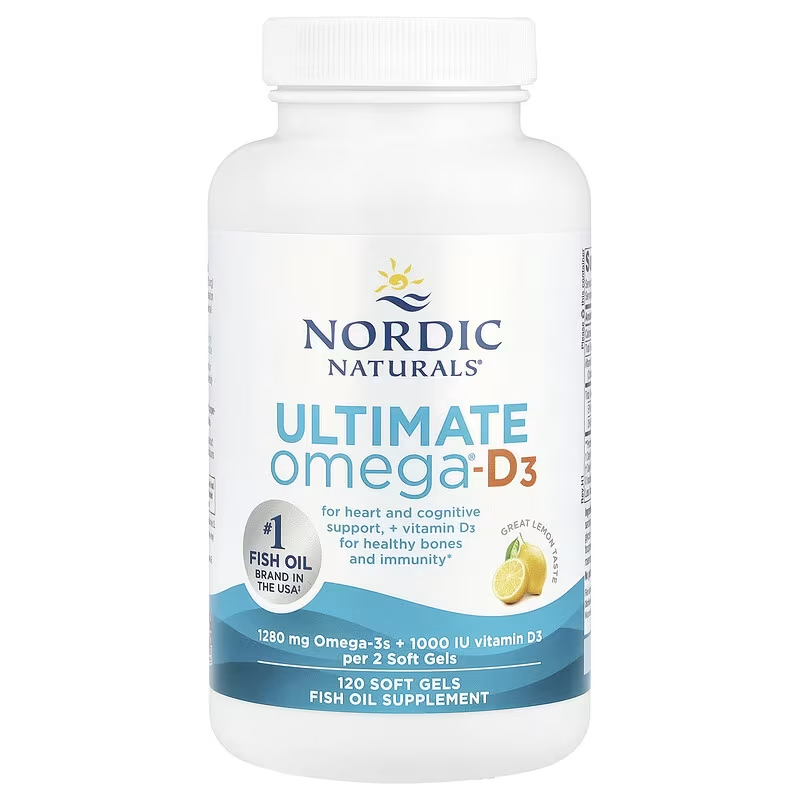
From £26.99
Why We Love This Product:
Sustainably sourced from anchovies, mackerel, herring and sardines from Norwegian waters. The supplements are non-GMO and undergo third-party testing for purity, potency, and overall quality.
Reasons to Buy:
- Delivers 1280 mg of high-strength omega-3s per serving
- Wild-caught, purified fish oil tested for quality
- Lemon flavour
- 2 capsules a day
3. Norsan – Omega-3 Total Natural Fish Oil
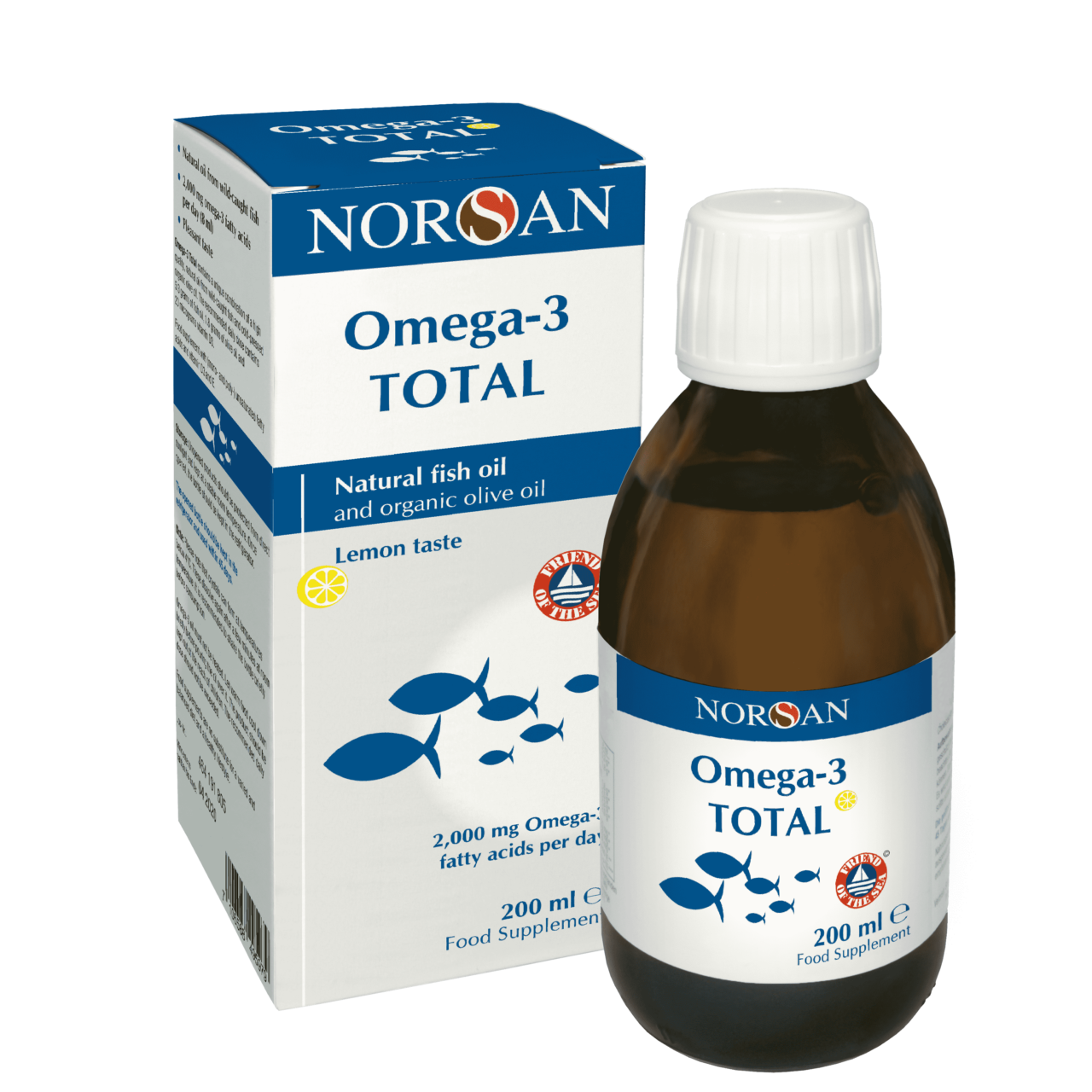
From £36.00
Why We Love This Product:
This liquid omega-3 provides a generous 2,000 mg dose per tablespoon, alongside added vitamin D3, making it a practical option for those who prefer not to take capsules. Sourced from wild cod in sustainably managed Norwegian fisheries, it combines high potency with strong purity and environmental credentials.
Reasons to Buy:
- Easy-to-take liquid format, ideal for anyone who struggles with capsules or prefers flexible dosing.
- High omega-3 potency. Delivers 2000 mg omega-3 per serving, with a strong EPA contribution.
- Added vitamin D3. Provides 800 IU vitamin D alongside omega-3s for combined nutritional support.
- Advanced purification process. Three-step micro-distillation removes pollutants, PCBs and heavy metals for a clean, safe oil.
- Sustainably sourced Arctic cod, wild-caught from Norwegian waters north of the Arctic Circle, with Friend of the Sea certification.
- Natural antioxidant protection. Cold-pressed organic olive oil helps stabilise the oil and protect freshness.
- Palatable flavour option. Available in lemon to improve taste and compliance.
- Independently tested. Third-party verification for purity and safety.
4. Bare Biology – Life & Soul Pure Omega 3
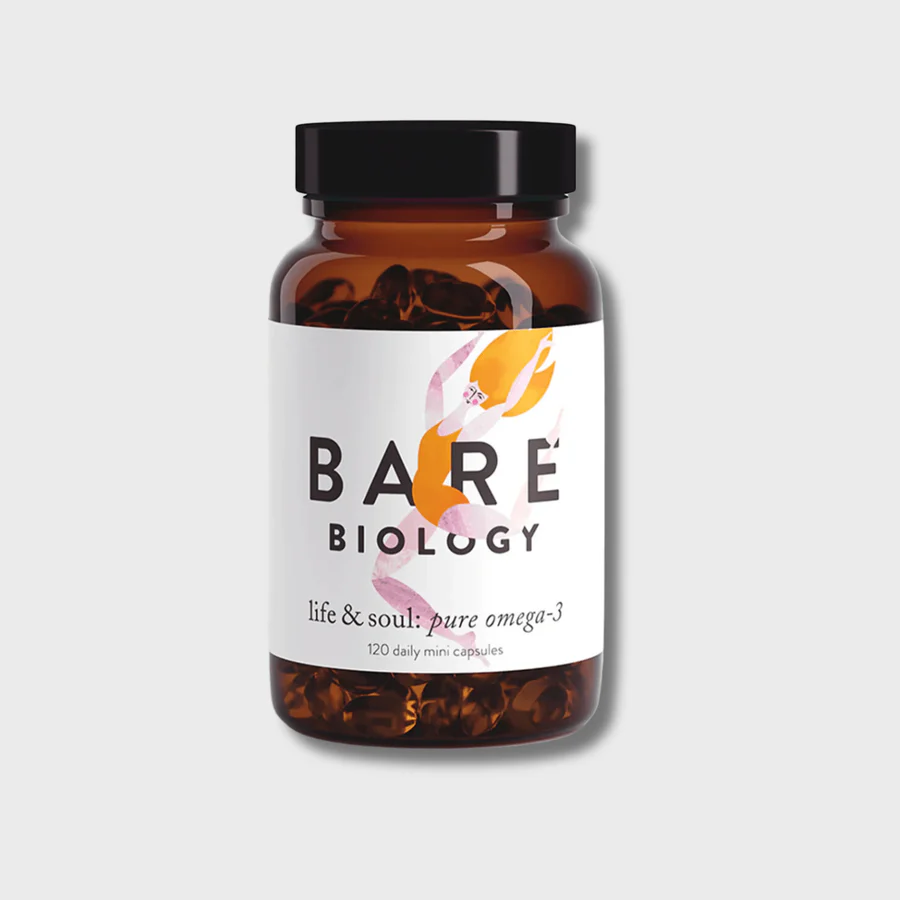
From £32.95
Why We Love This Product:
Bare Biology delivers a highly concentrated omega-3 with a strong EPA focus, providing 1,700 mg of active omega-3s (EPA + DHA) in just two capsules. Sourced from sustainably managed Norwegian fisheries and independently certified for purity and freshness, it stands out for both quality and transparency.
Reasons to Buy:
- High EPA, therapeutic strength. Provides 1,100 mg EPA and 500 mg DHA per two capsules, a robust dose for meaningful omega-3 intake.
- IFOS-certified purity and freshness. Independently tested to one of the most stringent global standards, with batch results publicly available.
- Sustainably sourced Norwegian fish. Manufactured from fisheries certified by Friend of the Sea and MarinTrust.
- Clean, additive-free formulation. No unnecessary additives, with rigorous contaminant testing for safety.
- Fish gelatin capsules. Suitable for pescatarians and easy to digest.
- Neutral taste experience. Designed to be tasteless with minimal fishy aftertaste.
- Environmentally conscious packaging. Brand emphasis on sustainability across sourcing and packaging. B corp company
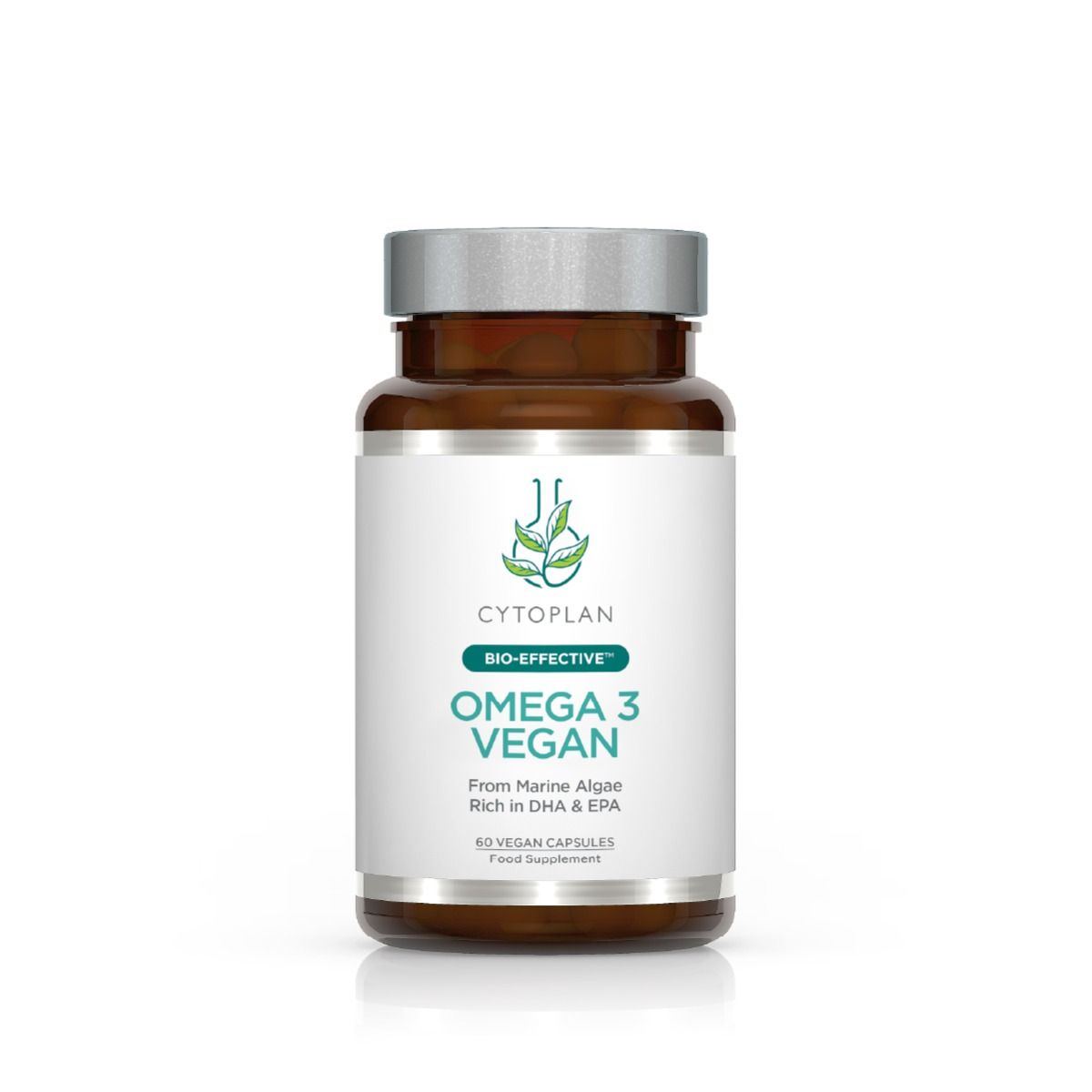
5. Cytoplan Vegan Omega 3
From £32.49
Why We Love This Product:
This vegan omega-3 is derived from sustainably grown marine algae, providing a clean, plant-based source of DHA and EPA. Free from ocean pollutants and carefully produced under controlled conditions, it’s a great option for anyone following vegetarian or vegan lifestyles.
Reasons to Buy:
- Plant-based omega-3 provides 334 mg DHA and 166 mg EPA per two capsules.
- Safe and clean formulation. Grown in a controlled environment and free from GMO, wheat, soy, yeast, dairy, added sugars, colours, artificial flavours and preservatives.
- Simple dosing. Just 2 capsules daily, suitable for adults and children from 4 years old.
- UK-made and independently tested. Verified for purity and quality to ensure a safe, reliable supplement.
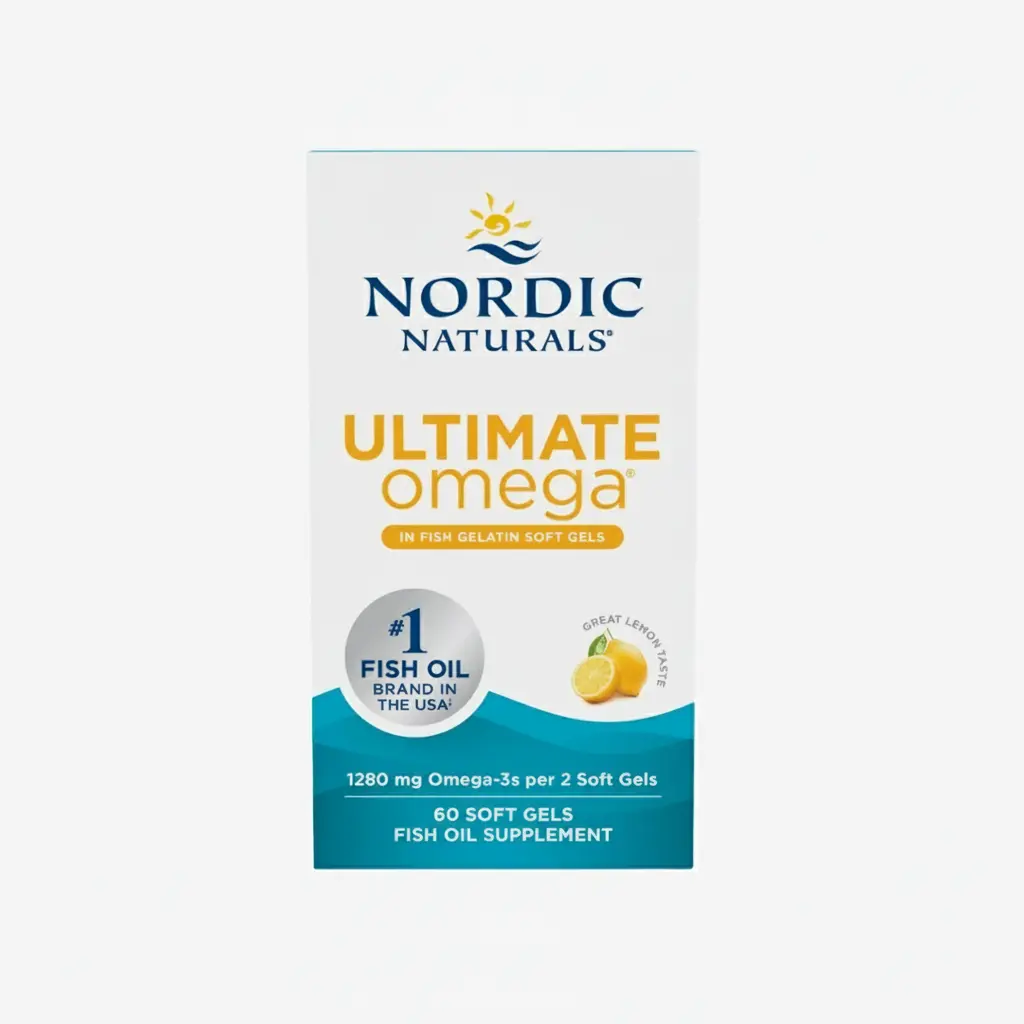
6. Nordic Naturals – Ultimate Omega 3
From £24.29
Why We Love This Product:
Nordic Naturals Lemon Flavoured Softgels combine potency, purity, and sustainability in one convenient supplement. Designed for those who want a high-quality omega-3, these softgels deliver a reliable dose while prioritising environmental responsibility and clean manufacturing.
Reasons to Buy:
- High-strength EPA & DHA. Each serving delivers 1280 mg of omega-3s from EPA and DHA to support heart health and normal brain function.
- Sustainably sourced fish. Made from wild-caught sardines and anchovies from the Pacific and Atlantic Oceans, using regulated fishing methods that protect marine ecosystems.
- Clean, easy-to-take softgels. Non-GMO, tasteless, and produced under strict Good Manufacturing Practices (GMPs).
- Patented oxygen-free processing and third-party testing ensure exceptional purity, with a TOTOX score of just 3.9.
- Transparency and traceability. Full certificate of analysis available via QR code for each batch, giving peace of mind with every dose.
- Eco-conscious manufacturing. Produced in Arctic Norway using sustainable biofuel, with surplus energy provided to neighbouring businesses
2026’s Top Omega-3 Supplement
Wild Nutrition Food-Grown® Pure Strength Omega 3
Overall, we highly recommend Wild Nutrition based on scientific review, real experiences and their customer review.
- Supports heart function
- Supports brain function
- Supports eye health
- MSC sustainably sourced
- Body-preferred ratio
- 99% reviewers recommend
Always consult with your healthcare provider before beginning any new supplement, especially if you have existing health conditions or are taking medications.
References
- Azhar, W. et al. (2026) ‘The effects of omega‑3 supplementation on stress, anxiety, depression, sleep quality, and everyday memory in individuals with psychological distress: a randomised, double‑blind, placebo‑controlled trial’, Journal of Affective Disorders, 399, p.121055. https://pubmed.ncbi.nlm.nih.gov/41461240/
- Behboudi‑Gandevani, S. et al. (2018) ‘The effect of omega‑3 fatty acids on severity of premenstrual syndrome’. Clinical and Experimental Obstetrics & Gynecology, 45(4), pp.468–472.
- Calder, PC. et al. (2025) ‘An overview of national and international long chain omega-3 polyunsaturated fatty acid intake recommendations for healthy populations’. Nutrition Research Reviews, 39, p. E6. https://www.cambridge.org/core/journals/nutrition-research-reviews/article/an-overview-of-national-and-international-long-chain-omega3-polyunsaturated-fatty-acid-intake-recommendations-for-healthy-populations/2B7F6FD161EE90A7472B2B20909C4926
- Ellulu, M.S. et al. (2016) ‘Effect of long chain omega‑3 polyunsaturated fatty acids on inflammation and metabolic markers in hypertensive and/or diabetic obese adults: a randomised controlled trial’. Food & Nutrition Research, 60, p.29268. https://www.tandfonline.com/doi/full/10.3402/fnr.v60.29268
- Guesdon, W. et al (2018) ‘Effects of fish oils on ex vivo B-cell responses of obese subjects upon BCR/TLR stimulation: a pilot study’. Journal of Nutritional Biochemistry, 53, pp.72–80. https://doi.org/10.1016/j.jnutbio.2017.10.009
- Harris, M. et al. (2015) ‘The effect of omega‑3 docosahexaenoic acid supplementation on gestational length: randomised trial of supplementation compared to nutrition education for increasing n‑3 intake from foods’. BioMed Research International, 2015, Article 123078. https://pubmed.ncbi.nlm.nih.gov/26413500/
- Haghiac, M. et al. (2015) ‘Dietary omega‑3 fatty acid supplementation reduces inflammation in obese pregnant women: a randomised double‑blind controlled clinical trial’. PLoS One, 10(9), e0137309. https://journals.plos.org/plosone/article?id=10.1371/journal.pone.0137309
- Köbe, T. et al. (2019) ‘Effects of omega‑3 supplementation on cognitive functions in healthy mid‑life adults: a randomized controlled trial’. Nutrients, 11(6), p.1306. https://pubmed.ncbi.nlm.nih.gov/31581959/
- Snipe, R.M.J. et al (2024) ‘Omega-3 long chain polyunsaturated fatty acids as a potential treatment for reducing dysmenorrhoea pain: Systematic literature review and meta-analysis’. Nutrition & Dietetics, 81(1), pp.94–106. https://doi.org/10.1111/1747-0080.12835
- Stephenson K. et al (2022) ‘Low linoleic acid foods with added DHA given to Malawian children with severe acute malnutrition improves cognition: a randomised, triple blinded, controlled clinical trial’. American Journal of Clinical Nutrition 115(5):1322–33